Top Strategies for Preserving Your Sofa During Storage
Top Strategies for Preserving Your Sofa During Storage
Is your living room about to undergo a transformation, or are you relocating and wondering how to keep your beloved sofa in pristine condition while it's in storage? Whether you plan to set your furniture aside for just a few weeks or several months, careful preparation is the key to ensuring it emerges from storage looking as comfortable and stylish as ever. Explore the most effective sofa storage preservation techniques and learn how to safeguard fabrics, leathers, and frames from common risks like moisture, pests, and wear.

Why Proper Sofa Storage Matters
A sofa represents a significant investment--not just in terms of cost, but also comfort and style. Neglecting proper storage techniques can lead to issues such as mold, fading, scratches, deformation, and odor. Preserving your sofa during storage is essential to extend its life and maintain its appearance for years to come.
- Moisture damage: Can cause mold, odors, and wood rot.
- Pest infestations: Rodents and insects may nest or chew upholstery.
- Physical distortion: Poor storage leads to warped frames, sagging cushions, or ruined fabrics.
- Dirt and stains: Accumulate on exposed surfaces.
Comprehensive Steps for Preparing Your Sofa for Storage
1. Deep Clean Your Sofa
Before placing any sofa into storage, thorough cleaning is essential for preventing odors, mold, and pests.
- Vacuum all surfaces with a brush attachment to remove dust and crumbs.
- Spot clean stains using manufacturer-approved solutions.
- Use a mild detergent for fabric sofas, and leather cleaner for leather upholstery.
- Allow the sofa to dry completely to prevent moisture buildup in storage.
Tip: For removable cushion covers, launder them separately according to care instructions.
2. Disassemble the Sofa (if possible)
Many sofas, especially sectional varieties or those with detachable legs and cushions, can be partially disassembled to save space and reduce the risk of breakage.
- Remove cushions, legs, and other detachable parts.
- Keep screws and small components in a clearly labeled zip-lock bag.
- Wrap and store these small components together with the main sofa.
Why disassembly matters: Transporting and storing a sofa in parts mitigates undue pressure on joints and fabric, preserving structure.
3. Use the Correct Protective Wrapping
Choosing high-quality protective covers prevents accidental scratches, dust accumulation, and moisture exposure.
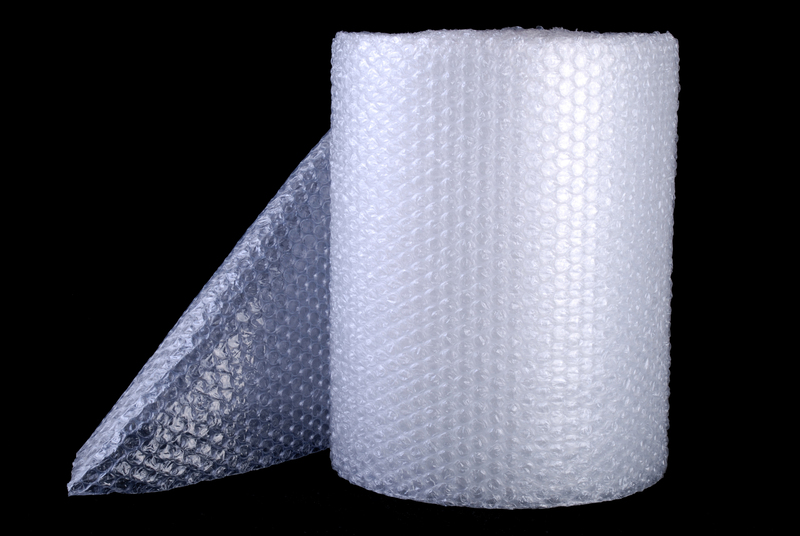
- Wrap your sofa in breathable fabric sheets or furniture blankets, avoiding plastic whenever possible to prevent condensation buildup.
- If using plastic wrap, always leave openings or use alongside breathable covers.
- Secure covers with bungee cords or high-quality tape--avoid direct tape contact with upholstery.
Pro Tip: For leather sofas, apply a leather conditioner before wrapping to keep the material supple and guarded against dryness.
4. Select the Best Storage Facility
The choice of storage environment dramatically impacts the longevity of your sofa.
- Climate-controlled units maintain consistent temperatures and humidity, warding off mold and mildew.
- Choose a storage facility with cleanliness and security guarantees.
- Ask about pest control and insurance options for peace of mind.
Note: Avoid storing sofas in garages or sheds where temperature fluctuations and humidity pose a higher risk.
5. Elevate Your Sofa
Direct floor contact exposes furniture to dampness and cold, favors pest infestations, and increases dust collection.
- Use wooden pallets, risers, or durable plastic platforms to keep the sofa above the storage floor.
- This additional step further minimizes the potential for water damage and mold.
Tip: Place silica gel packets or other moisture absorbers underneath to further reduce risk.
6. Organize Storage Space Wisely
Optimal organization prevents accidental damage and simplifies future retrieval.
- Place your sofa in a dedicated spot, away from heavy or sharp objects that could shift and scuff upholstery or frames.
- Do not pile boxes or items on top of the sofa; this can permanently deform cushions and fabrics.
- Leave space around the sofa for airflow, aiding in moisture control.
7. Maintain Regular Monitoring
Long-term storage of your sofa requires periodic inspection for best results.
- If possible, visit your storage unit every 2-3 months to check for mold, pests, or damage.
- Refresh moisture absorbers and make adjustments to covers as needed.
- Address any issues quickly to prevent long-term injury to your furniture.
Special Considerations for Different Types of Sofas
Fabric Sofas
Fabric-upholstered sofas are especially vulnerable to dust, moisture, and fading. To preserve fabric sofas during storage:
- Use only soft, breathable covers to avoid mildew.
- Apply fabric protectant sprays after cleaning for added defense.
- Choose storage solutions that provide protection from UV exposure to prevent color loss.
Leather Sofas
Leather is both luxurious and sensitive. If you're storing a leather sofa:
- Never use plastic wrap for extended storage--opt for cotton covers.
- Regularly condition the leather before placing it in storage and after removing it.
- Avoid stacking anything atop leather furniture to prevent creasing and deformation.
Sectional and Modular Sofas
Large sectionals or modular sofas require particular care during storage:
- Break down into the smallest components possible.
- Wrap each segment individually and label accordingly for easy assembly.
- Store smaller sections vertically if necessary, ensuring they are supported and not at risk of tipping over.
Antique or Delicate Sofas
If your couch is a valuable antique, extra steps will preserve delicate sofas during storage:
- Consult a professional restorer for advice on pre-storage treatment.
- Invest in custom-fitted covers for fragile carvings or upholstery.
- Ensure storage conditions remain stable--avoid attics and basements.
Common Mistakes to Avoid
Even with the best intentions, certain errors compromise sofa preservation in storage:
- Skipping pre-storage cleaning: Leftover crumbs or oils attract pests and cause stains.
- Using the wrong materials: Plastic in humid conditions traps moisture, causing mildew or rot.
- Poor organization: Placing heavy items atop cushions leads to deformed padding.
- Ignoring climate factors: High humidity or temperature swings speed up damage.
- No periodic checks: Small issues can escalate if left unaddressed.
Helpful Tips for Efficient Sofa Storage
- Photograph your sofa and its components before storage. This aids in reassembly and helps document its pre-storage condition.
- Label everything carefully, especially hardware and removable parts.
- Store loose cushions separately in breathable bags to relieve pressure and preserve shape.
- Maintain a storage inventory to keep track of all furniture pieces and accessories.
- Invest in pest deterrents such as sealed containers of cedar or sachets of lavender.
The Ultimate Checklist for Sofa Preservation During Storage
- Vacuum and clean the sofa thoroughly.
- Allow ample time for drying before covering.
- Disassemble where possible and keep components together.
- Apply appropriate protectants for fabric or leather.
- Encase in breathable, fitted covers.
- Elevate above floor level.
- Select a climate-controlled storage unit.
- Keep sofa away from items that may topple or exert pressure.
- Conduct regular inspections and update protections as necessary.
Long-Term Benefits of Proper Sofa Storage
Investing time and attention into effective sofa storage preservation ensures your piece remains as inviting as the day you left it. Benefits include:
- Longer life span for your sofa.
- Preserved aesthetic value and comfort.
- Reduced costs in cleaning or repair post-storage.
- Maintained resale or heirloom value, especially for antiques or high-end pieces.
Conclusion: Protect Your Investment by Preserving Your Sofa During Storage
Whether you're downsizing, redecorating, or moving far from home, safeguarding your sofa during storage is a crucial, manageable process. Follow these proven strategies for sofa preservation during storage to keep your furniture looking, feeling, and smelling fresh. Remember:
- Plan ahead and use the right materials.
- Opt for climate-controlled environments whenever possible.
- Handle your sofa with care--before, during, and after storage!
By taking these proactive steps, you ensure your sofa remains a central piece of comfort and style in your living space, no matter how long it's in storage.
FAQs: Sofa Storage and Preservation
- How long can a sofa be stored without damage?
- If properly prepped and kept in a controlled environment, sofas can be stored for years with minimal risk. Regular inspections are advised.
- Is it safe to wrap a sofa in plastic for storage?
- Generally, it is not recommended to use plastic as it can trap moisture. Use breathable covers designed for furniture instead.
- Do I need a climate-controlled storage unit for my sofa?
- Yes, especially for long-term storage or for sofas made of leather, wood, or delicate fabrics. This prevents changes in temperature and humidity that can cause damage.
- What should I do before putting my sofa in storage?
- Clean it thoroughly, disassemble if possible, apply appropriate conditioners or protectants, and wrap it in breathable materials.
For more expert advice on preserving furniture during storage, stay tuned to our blog or reach out to storage professionals for customized solutions!