E1 waste disposal after moving - Tower Hamlets guidance
Posted on 29/07/2026

Moving out of a flat or house in E1 can feel like the final box has been lifted, only for one last headache to appear: what do you do with the leftover waste? Broken hangers, spare packaging, old furniture, chipped kitchen bits, and that awkward pile of "we'll deal with it later" items can quickly turn into a problem. This guide to E1 waste disposal after moving - Tower Hamlets guidance is here to make that last stage clearer, safer, and a lot less stressful.
Whether you are clearing a small flat near Brick Lane, moving out of a student place, or emptying a family home, the main goal is the same: leave the property tidy, avoid penalties, and dispose of items in a way that is practical and responsible. Sounds simple. In real life, it rarely is. So let's walk through it properly.
Why E1 waste disposal after moving - Tower Hamlets guidance matters
Post-move waste is not just a messy afterthought. In E1, it can affect everything from neighbour relations to building rules, street access, and whether your old place gets handed back in acceptable condition. If you are in a managed block, even a small pile left in the wrong place can become a complaint pretty quickly. And if you are moving from a narrow street or a place with limited loading time, the margin for error gets even smaller.
There is also the practical side. After moving, most people are tired, juggling keys, deposits, bins, and a growing number of half-packed bags. That is exactly when waste gets dumped beside the wrong container or left in communal areas because "it'll only be there for an hour." An hour can turn into a fine, a fly-tipping issue, or a very annoyed landlord. Let's face it, nobody wants their move remembered for a cardboard mountain at the kerb.
Good waste disposal after moving matters because it helps you:
- clear the property properly before final inspection
- reduce the risk of charges from landlords or managing agents
- keep hallways, pavements, and shared spaces safe
- separate reusable items from genuine rubbish
- avoid last-minute stress on moving day
If you are still in the sorting stage, it can help to read expert decluttering tips before moving house and the move-out cleaning guide so the clean-up and waste removal happen together, not in two separate panics.
How E1 waste disposal after moving - Tower Hamlets guidance works
The basic idea is straightforward: identify what needs to go, decide what can be reused or recycled, and arrange disposal in a way that fits local access, property rules, and item type. The real world part is where most people need help. In E1, that often means dealing with tight staircases, permit-sensitive streets, limited parking, and buildings that do not love surprise piles of rubbish.
After a move, waste usually falls into a few categories. Some items are ordinary household rubbish, like broken packaging or unwanted small household items. Some are bulky items, such as mattresses, wardrobes, shelves, or sofas. Some are recyclable, but only if they are sorted cleanly. A few items may need special handling, especially if they contain electrical parts or hazardous materials. No need to overcomplicate it, but do not treat everything as the same thing either.
The most sensible workflow is:
- Walk through the property and identify all remaining waste.
- Separate keep, donate, recycle, and dispose piles.
- Check whether anything can be taken by the next occupant or a local reuse route.
- Break down large items where safe and practical.
- Choose the disposal method that matches the amount and type of waste.
- Time the removal so it does not interfere with parking, lifting, or final cleaning.
That last point matters more than people think. If you are also coordinating removals, parking, or loading in busy E1 streets, the timing can be the difference between a smooth finish and a chaotic one. For that side of the move, see Tower Hamlets permit rules for moving trucks in E1 and how to avoid fines with loading and street closure rules.
Key benefits and practical advantages
Good waste disposal after a move is one of those things that quietly protects everything else. You may not notice the benefit in the moment, but you absolutely notice the lack of problems. The property looks better, the handover feels calmer, and you stop carrying the mental clutter of "I'll sort that pile tomorrow."
Here are the main advantages people usually appreciate most:
- Less stress at the end of the move: when the waste plan is clear, the final day feels manageable instead of endless.
- Better compliance with building and local rules: especially useful in flats with communal bins or restricted loading areas.
- Cleaner handover: useful for tenants aiming to protect deposits and for owners preparing for sale or new occupants.
- Safer moving environment: fewer trip hazards, fewer sharp edges, fewer boxes blocking stairways.
- More responsible disposal: reusable furniture, cardboard, and metal items are easier to divert away from general waste.
There is also a practical time-saving benefit. If waste is handled in the same plan as the removals, packing, and cleaning, you cut down on back-and-forth trips. If you are already using a man with a van in Spitalfields or arranging broader removal services, combining jobs can be a lot more efficient than treating each job as a separate mini-project.
Who this is for and when it makes sense
This guidance is useful for almost anyone moving in or out of E1, but some situations need it more than others. If your move is simple and you are only carrying clothes, a kettle, and a couple of boxes, you may only need basic rubbish disposal. If you are leaving behind a bed frame, old office items, or the contents of a full flat, you need a proper plan.
It tends to matter most for:
- tenants ending a lease and wanting a clean final inspection
- students leaving furnished or semi-furnished flats
- families downsizing and clearing out furniture
- landlords or letting agents preparing between tenancies
- small offices relocating and dealing with old desks, packaging, or filing waste
- anyone with bulky items that will not fit in regular household bins
It also makes sense if you have access constraints. E1 homes can mean narrow stairwells, limited street stopping time, and awkward corners that make carrying waste out more difficult than expected. In those cases, a plan matters almost as much as the lifting. If that sounds familiar, you may find the safe stair-move advice for narrow Victorian houses surprisingly relevant, even though the title is about furniture. The access challenges are often the same.
Step-by-step guidance
Here is a practical way to manage post-move waste without turning the last day into a scramble.
1. Do a final room-by-room sweep
Start with the obvious places: cupboards, under beds, loft corners, utility spaces, behind radiators, and the tops of wardrobes. People forget these spots all the time. A room that looks empty in daylight can still produce three bags of junk and a box of random cables. It happens.
2. Sort items into clear categories
Use four simple piles: keep, donate, recycle, dispose. Keep the rules simple enough that everyone helping you can follow them. If a sofa has life left in it, do not automatically send it to waste. If a box is full of mixed materials, separate the cardboard from the plastic tape before you decide where it goes.
3. Identify bulky items early
Bulky items need planning. Mattresses, wardrobes, divan bases, old shelving, and damaged tables take up space fast and can block a corridor before you know it. If they are too large for a normal bin system, make them part of the disposal plan from the start. For a useful pricing perspective, have a look at bulky waste removal in E1 without hidden fees.
4. Check what can be reused or donated
A lot of post-move waste is not waste in the strict sense. A spare lamp, a clean chair, a shelf unit, or unopened household items may have a second life. This is especially true when moving out of furnished accommodation. Reuse first if the item is still safe and decent. It is a small win, but a satisfying one.
5. Break down what you safely can
Flat-pack furniture, cardboard, and some lightweight shelving can often be reduced in size. That helps with storage, carrying, and disposal. Do not force anything, though. If you have to wrestle an awkward item down two flights of stairs, it may be better left intact for professional handling.
6. Schedule the disposal at the right time
Ideally, waste removal should happen after you have finished packing but before the final deep clean. That way, you are not cleaning around rubbish bags or moving a mattress through a freshly washed hallway. Timing sounds boring until it saves you an extra hour of work.
7. Leave the property and shared spaces clear
Once everything is removed, check bin stores, hallways, lifts, and front steps. Even one forgotten bag can become a nuisance for the next resident. A proper final sweep takes a few minutes and prevents a lot of awkwardness.
If your move is happening quickly, the broader move timeline matters too. A short read on urgent same-day removals in Spitalfields can help you understand what can realistically be achieved when time is tight.
Expert tips for better results
In our experience, the smoothest post-move clearouts are the ones that begin before moving day, not after. Once the van is full and you are running on tea and adrenaline, decision-making gets much poorer. A little bit of planning goes a long way.
- Label waste bags by category. Cardboard, soft plastics, general rubbish, and reusable items should not all end up in one mystery pile.
- Keep one "last day" bag. This should hold things like dustpan and brush, wipes, a torch, gloves, bin liners, and tape. Very unglamorous, very useful.
- Measure stairwells and doorways before moving bulky waste. It sounds obvious, but awkward items often get stuck because the exit plan was more hopeful than realistic.
- Use moving blankets or old sheets. They protect walls and bannisters while you remove heavier waste items.
- Take photos before and after. This is especially helpful if you are a tenant documenting the condition at handover.
- Book removals and waste together where possible. That reduces duplicated effort and keeps the move tidy.
A small human aside: the most organised customers are not the ones with the fanciest labels. They are the ones who know where the bin bags are at 7:30 in the morning. That is the real secret.
For packing-related prep that helps this process, the step-by-step packing guide and the page on packing and boxes are both worth a look if you are still in the middle of the move.
Common mistakes to avoid
Most waste-disposal problems after moving are preventable. The tricky part is that they often happen when people are tired, rushed, or trying to "just get it done." Here are the mistakes that show up again and again.
- Leaving everything until the end. That creates a rush, and rushed decisions usually cost more.
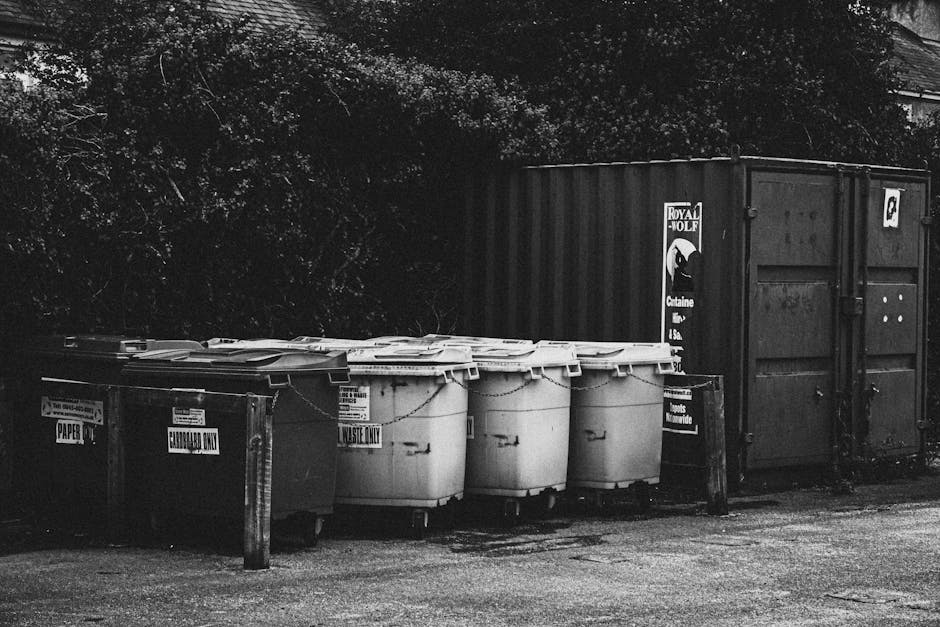
- Putting items in the wrong bin area. Communal bin stores are not a free-for-all. If in doubt, don't dump it there.
- Ignoring bulky items. Mattresses and furniture are the usual culprits. They don't disappear on their own, frustratingly enough.
- Mixing recyclables with food waste or general rubbish. Once materials are contaminated, recycling options shrink quickly.
- Forgetting about access rules. In parts of E1, access can be tighter than people expect, especially for loading vehicles.
- Not checking for hidden items. Drawers, wardrobes, and cupboards often conceal small bits that should be sorted before removal.
Another common one: assuming a "quick drop-off" outside the property will be fine. It often isn't. If you need loading guidance, or if street space is an issue, the local context matters as much as the rubbish itself. The page on navigating Brick Lane access is helpful for understanding why the area can be less forgiving than it looks on a map.
Tools, resources and recommendations
You do not need a warehouse full of equipment to handle waste after moving, but a few simple tools make the job much easier. The right kit reduces trips, protects floors, and helps you keep the process calm. Or calmer, at least.
- Heavy-duty bin bags: useful for packaging waste, soft rubbish, and mixed light items.
- Gloves: basic protection for sharp edges, dust, or broken fixings.
- Marker pens and labels: simple but surprisingly effective when you are sorting fast.
- Utility knife or scissors: helpful for cutting tape, cardboard, and wrapping material.
- Moving blankets: protect walls, banisters, and floors during bulky-item removal.
- Trolley or sack truck: especially useful for heavier bags and boxes on level ground.
For moving support and broader planning, the following pages can help shape the whole move, not just the waste stage:
- services overview for a clearer picture of available moving support
- recycling and sustainability for a more responsible disposal mindset
- health and safety policy for safe handling expectations
- insurance and safety if you are moving heavier or more awkward items
For item-specific help, a few nearby topics are also useful: beds and mattresses, sofa storage, and single-handed lifting tips. They are not waste articles exactly, but they help with the awkward objects that often become waste if handled poorly.
Law, compliance, standards, or best practice
Without turning this into a legal seminar, there are a few common-sense points worth keeping in mind. In the UK, waste should be managed responsibly, and you should avoid leaving rubbish in public places, shared areas, or near bins that are not meant for your property. Fly-tipping is treated seriously, and even a careless "temporary" pile can cause problems if it is placed badly.
For tenants, compliance also means following your tenancy agreement and any building rules. Many landlords and managing agents expect the property to be left clear, with all personal waste removed. If something remains behind, you may be charged for disposal. That is not unusual, and it is often more expensive than handling the waste yourself in the first place.
Best practice is simple:
- do not leave items in communal hallways or by shared bins unless you are sure they are allowed there
- keep waste separated where possible, especially recyclables
- handle electrical or hazardous items carefully and only through appropriate routes
- protect shared access areas and avoid blocking emergency routes
- use a waste approach that fits the property rules and local access conditions
If you are using a vehicle during a move, the related guidance on Tower Hamlets permit rules for moving trucks in E1 and avoiding loading and street closure fines is especially important. Waste disposal and parking issues often overlap. More than people expect, actually.
Options, methods, or comparison table
There is no single "best" way to handle post-move waste. The right option depends on how much you have, what type of items they are, and how much access you have outside the property. A quick comparison helps make the decision less fuzzy.
| Method | Best for | Pros | Trade-offs |
|---|---|---|---|
| Self-sorting and bin disposal | Small amounts of general waste and packaging | Low cost, flexible, simple for light waste | Time-consuming, limited by bin capacity and rules |
| Reuse or donation | Good-condition furniture, household items, and appliances | Reduces waste, helps others, often free | Requires sorting and item condition must be suitable |
| Bulky waste removal | Mattresses, sofas, wardrobes, and other large items | Efficient for awkward items, saves heavy lifting | Usually needs booking and clear item descriptions |
| Combined removals and waste clearance | Full flat moves or larger house clearouts | Most practical for busy moves, fewer trips, less chaos | Needs coordination and a clear schedule |
If your move includes furniture you do not want to keep, a dedicated furniture removals service can be a better fit than trying to treat everything as general rubbish. And if you are in a hurry, same-day removals may make the whole process less messy, provided access is workable.
Case study or real-world example
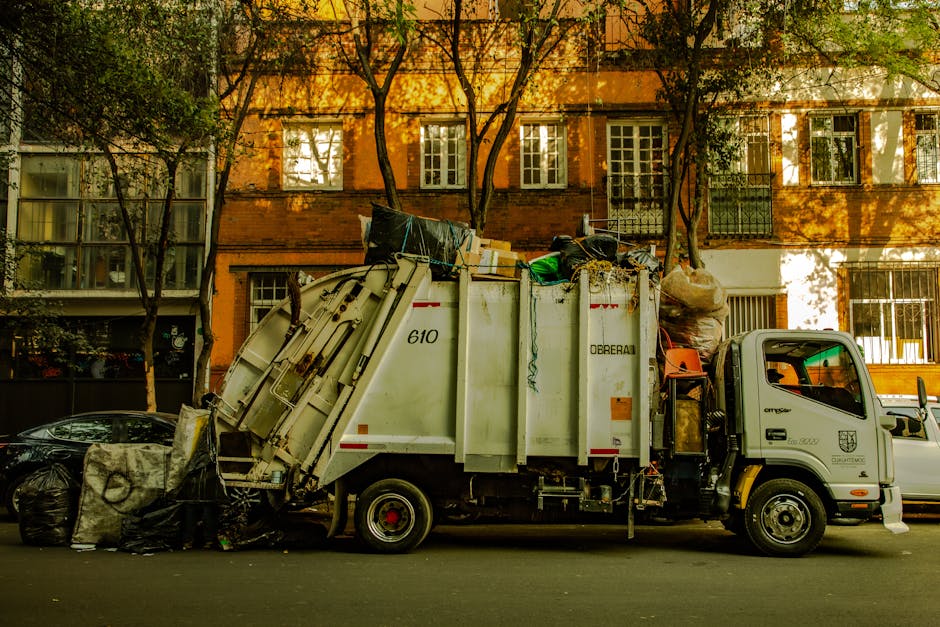
Here is a realistic example from a typical E1 move. A tenant leaves a two-bedroom flat after four years. The main moving van takes the furniture and boxes, but the flat still has an old bedside table, a broken chair, three bags of packaging, a mattress protector, and a stack of flattened boxes that never got tied properly. Nothing dramatic, but enough to become a nuisance.
At first, they think they can leave the leftovers for "later in the day." That usually means after lunch, after the keys are handed back, or after they have already reached the other property and are too tired to come back. Not ideal. Instead, the smarter approach is to sort the waste before the final moving sweep, separate cardboard from general rubbish, and remove bulky items in the same time window as the furniture lift. The old chair is checked for reuse, the packaging is flattened, and the mattress protector is bagged with soft waste.
What made this work was not anything fancy. It was timing, simple sorting, and one person acting as the "keep this, bin that" decision-maker. That saves endless back-and-forth. The flat was left clear, the hallway stayed tidy, and the final clean was far easier. A small thing, but it changes the whole tone of moving day.
For people in smaller homes or shared accommodation, the same approach often pairs well with student flat clearout tips. Those moves tend to be fast, crowded, and full of mixed items, so waste planning matters even more than usual.
Practical checklist
Use this as your quick end-of-move sanity check. It is not glamorous, but it works.
- Sort items into keep, donate, recycle, and dispose piles
- Remove all personal belongings from cupboards, lofts, and storage corners
- Separate cardboard, plastics, and mixed waste where possible
- Check whether bulky items need a separate plan
- Confirm building or tenancy rules for bin stores and shared spaces
- Protect walls, floors, and bannisters while moving waste out
- Book disposal or removal before the final handover deadline
- Photograph the cleared rooms and any leftover items for your records
- Do a final sweep of communal areas, front steps, and bin spaces
- Keep a small kit ready: gloves, tape, bin bags, wipes, and scissors
Quick expert summary: the best E1 waste disposal plan is usually the one that starts early, separates reusable items from rubbish, and fits the access reality of your building. If you can coordinate waste with removals and cleaning, you will almost always save time and reduce stress.
Get a free quote today and see how much you can save.
Conclusion
Waste after a move is easy to underestimate, right up until it is sitting in your hallway and you are already meant to be leaving. In E1, with its busy streets, compact homes, and occasional access headaches, the sensible approach is to treat disposal as part of the move itself rather than an extra chore. That one shift in thinking makes everything easier.
If you sort early, keep bulky items in mind, and work with the realities of Tower Hamlets access and property rules, post-move clearance becomes much more manageable. You do not need to make it perfect. Just organised, safe, and calm enough that you can hand the place over without that nagging "did we forget something?" feeling. And honestly, that feeling is worth a lot.