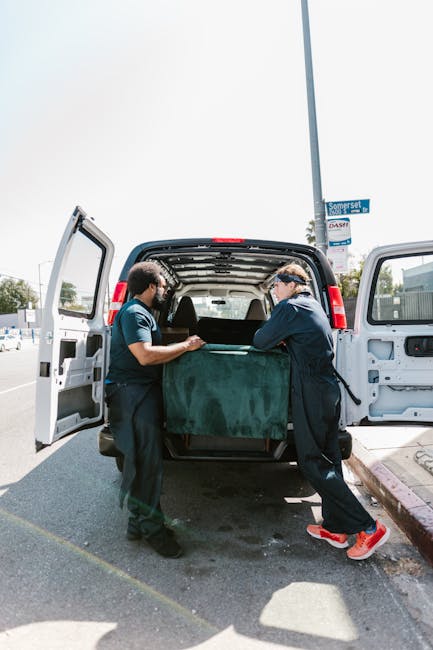
Fournier Street removals: parking, loading and timing tips
Posted on 14/05/2026
Moving on or near Fournier Street can look straightforward on a map, and then the real day arrives. Tight street space, awkward van positioning, neighbours needing access, a narrow pavement, maybe a heavy sofa that suddenly feels twice its actual weight. That is exactly why Fournier Street removals: parking, loading and timing tips matter so much. A good moving plan is not only about lifting boxes. It is about where the van stops, how long it can stay there, what time the loading window starts, and how to keep the whole thing calm rather than chaotic.
This guide walks through the practical side of moving in this part of Spitalfields: how to think about parking, how to load efficiently, and how timing can make the difference between a smooth removal and a long, stressful morning. If you are planning a flat move, a furniture delivery, or a same-day job, the details below should help you avoid the usual headaches.

Why Fournier Street removals: parking, loading and timing tips Matters
Fournier Street sits in a busy, highly lived-in part of East London, and that means moving day is rarely about having unlimited space. Parking can be restricted, loading can be time-sensitive, and the street layout itself can change how you organise the job. Even if the actual distance between the property and the van is short, a poor setup can waste a surprising amount of time.
That matters for a few reasons. First, it affects cost. More waiting, more walking, more trips back and forth, and a removal that should have taken two hours can quietly stretch into four. Second, it affects safety. Rushing a mattress down a staircase or turning a corner with a wardrobe while traffic is building up is asking for trouble. Third, it affects relationships. Let's face it, nobody wants to be the person blocking access for neighbours, deliveries or refuse collection.
The good news is that most moving-day pressure can be reduced with early planning. A simple loading plan, a realistic time slot, and a clear idea of where the vehicle can stop will usually do more for the move than a last-minute scramble for extra boxes.
If you want broader moving context before the day itself, it helps to read this guide to a calmer house relocation alongside the local access advice below. The two go hand in hand.
How Fournier Street removals: parking, loading and timing tips Works
At a practical level, this kind of move comes down to three linked decisions: where the vehicle will wait, how the items will be carried, and when each part of the move happens. Miss one of those and the rest becomes harder.
Parking: stopping close enough to matter
For a removal in a tight street, the ideal parking position is not just the nearest space. It is the space that gives the crew the safest, shortest route between the property and the van. Sometimes that means a slightly less obvious position if it avoids a steep lift, a blocked pavement, or a corner where traffic keeps squeezing through. A small difference in placement can save a lot of back strain and time.
Where parking restrictions apply, the key is to check in advance rather than on the morning itself. If you are unsure, speak to your removal company early and ask how they usually handle local loading in Spitalfields streets. A good team will be used to planning around real-world constraints, not just ideal conditions.
Loading: making every trip count
Loading is not just "put items in the van." It is sequencing. The heavy, awkward, and high-value items go first or in the most protected order. Sofas, mattresses, tables, and appliances should be placed in a way that prevents crushing and shifting. Boxes should be grouped logically, and fragile items should not end up under the heaviest furniture because someone was in a hurry. Obvious? Yes. Always followed? Not always.
For a structured packing approach, the step-by-step packing guide for moving house is a useful companion piece. It helps you prepare items so loading is faster and safer on the day.
Timing: planning around access, people and traffic
Timing is where many local removals are won or lost. A late start can mean heavier foot traffic, more pressure on loading bays, or extra stress if the building has time-sensitive access rules. An early start often gives you a calmer route, easier van positioning, and fewer interruptions. In our experience, a move that begins with a clear window and a buffer always feels less frantic by 11 a.m. than one that begins with "we'll see when everyone wakes up."
There is also the issue of building access. Flats, shared entrances, and narrow stairwells often mean you need to coordinate with residents or building managers. The day can turn messy very quickly if keys, lift access, or entry codes are not ready before the van arrives.
Key Benefits and Practical Advantages
Getting parking, loading and timing right brings benefits that go beyond convenience. It improves the whole moving experience.
- Less wasted time because the van is positioned efficiently and the route is planned.
- Lower risk of damage to furniture, door frames, walls, and the items themselves.
- Better control over costs when the move stays within a realistic time frame.
- Reduced stress because you are not improvising under pressure.
- Cleaner handover when departure and arrival timing works smoothly with building access.
There is also a subtle but important benefit: better judgement. When the move is well timed, you can slow down just enough to make sensible decisions. That extra minute to wrap a shelf properly or re-check a doorway width can save an expensive mistake.
If you are moving a single item or a full property, it often helps to match the service to the size of the task. You can compare options on the services overview and then narrow it down to the most suitable local move, whether that is a van-only option, a full team, or help with a specific item.
Who This Is For and When It Makes Sense
This advice is relevant for anyone moving from Fournier Street or nearby roads, but it is especially useful if you are dealing with limited curb space, a flat with stairs, or a move that must happen within a tight time window.
It makes particular sense for:
- Residents of upper-floor flats with narrow internal access
- People moving on a weekday when traffic and pedestrian flow can change quickly
- Students or renters working to a fixed handover time
- Households moving furniture, not just boxes
- Office or studio relocations that need early access and a tidy exit
- Anyone using a man and van service and wanting to avoid unnecessary waiting
If your move is small and flexible, the main pressure may be timing. If it is larger or includes bulky items, parking and loading become equally important. Truth be told, the more awkward the item, the more valuable a clear plan becomes.
For local or smaller-scale moves, the area-specific pages for man and van services in Spitalfields and man with a van support can be a practical starting point. For full-property moves, house removals in Spitalfields is the better fit.
Step-by-Step Guidance
Here is a simple way to approach a Fournier Street move without overcomplicating it.
- Check the property access first. Measure stairs, note turns, and identify the narrowest points. If you have a large sofa or bed, this matters more than people expect.
- Decide where the van can realistically stop. The best stop is often the one that allows safe loading, not the one that looks closest on paper.
- Choose a start time that suits the street. Early morning is often easier for access and less disruptive for neighbours, but every move is different.
- Prepare items for fast loading. Dismantle what you can, label boxes clearly, and keep tools, chargers and keys in one small bag.
- Load in a sensible sequence. Heavy and awkward items first, then medium items, then boxes and softer goods used to fill gaps.
- Protect the route. If you are carrying items through a hallway or communal entrance, clear obstacles and use floor protection if needed.
- Leave a small buffer. A ten-minute cushion can make a big difference when a neighbour is leaving, a delivery van blocks access, or someone misplaces a key.
If you are moving a bedroom set or mattress, a dedicated guide like smart strategies for transporting your bed and mattress can save a lot of trial and error. Beds are classic move-day troublemakers. They look simple until they are halfway through a stairwell. Then they are not simple at all.
And if you are relocating a bulky or delicate piece, such as a piano, the logic changes again. In that case, specialist handling is usually the safer route, which is why this article on professional piano moving is worth a look before you commit.
Expert Tips for Better Results
These are the small things that tend to make a big difference.
1. Build the move around the slowest item
If the sofa cannot fit through the hallway without a twist, then the whole plan should reflect that. Do not treat the most awkward item as a side issue. Build around it. That one decision can prevent half the day's stress.
2. Keep your loading area clear before the van arrives
A clear entrance, a tidy pavement zone where possible, and all boxes grouped by room can save a surprising amount of time. It also gives the team room to work properly, which is always worth it.
3. Think in "walks", not just in items
Every extra trip between the property and the van costs time and energy. So group things intelligently. A box of books, a lamp, and a chair should not be carried separately if they can be moved together safely and sensibly.
4. Use the quiet time before the move
That first half-hour in the morning, before everyone is carrying things in every direction, is perfect for final checks. Keys? Paperwork? Bin bags? Toilet roll? Yes, even toilet roll. It sounds silly until you need it. Then it feels very wise.
5. Get help with heavy lifting where it makes sense
Trying to wrestle a heavy cupboard down a staircase on your own can go wrong very fast. If in doubt, use a professional team or at least follow safe lifting principles. For the fundamentals, see guidance on safe kinetic lifting techniques and advice on moving heavy items alone. The latter is not a dare, by the way. More a "here is how not to regret your choices by lunchtime" kind of read.
A useful extra thought: if you know the day will be busy, book services that reduce friction. A reliable removal van in Spitalfields or a fuller removal service can save you from trying to coordinate too many moving parts at once.

Common Mistakes to Avoid
Most moving problems are not dramatic. They are small errors that pile up.
- Assuming parking will sort itself out. It rarely does. Always plan the van position in advance.
- Starting too late in the day. A late start can collide with traffic, fatigue, and building access limits.
- Underestimating hallway width or stair turns. This is one of the biggest causes of delays and damage.
- Loading without a sequence. Random loading causes re-handling and wasted space.
- Forgetting to protect fragile items. A soft-looking cushion does not stop a glass lamp from breaking.
- Leaving packing until the final evening. The result is usually poor labelling and rushed decisions.
- Not allowing for weather. A wet London morning changes grip, pace and how carefully items need to be wrapped.
Another common issue is failing to separate essentials from the rest. You do not want to spend the first hour at your new place hunting for a kettle lead, medication, or your phone charger. That sort of thing can drain the day for no good reason.
If you are still in the early preparation stage, decluttering before moving house is one of the best ways to reduce the volume that actually needs loading. Less clutter, less lifting, fewer decisions. Nice and simple.
Tools, Resources and Recommendations
You do not need a truckload of specialist kit for every move, but a few basic tools make the job much easier.
| Tool or Resource | Why It Helps | When to Use It |
|---|---|---|
| Furniture blankets | Protects wood, fabric and painted finishes | For sofas, tables, wardrobes and headboards |
| Ratchet straps or strong tie-downs | Stops items shifting in transit | When loading a van with mixed furniture and boxes |
| Good labels and marker pens | Makes unloading faster and less confusing | During packing and room-by-room organisation |
| Protective floor covering | Reduces scuffs in shared hallways | In flats, communal entrances and narrow passageways |
| Hand trolley or sack barrow | Reduces manual carrying on manageable loads | For boxed items or short, smooth routes |
For packing materials, a dedicated local resource like packing and boxes in Spitalfields can help you get the right supplies before moving day. And if you need somewhere to keep things temporarily because the timing does not line up neatly, storage in Spitalfields is worth considering.
For general service planning and budgeting, the pricing and quotes page is useful because it helps you understand how move size, timing and service type can influence the final quote.
Law, Compliance, Standards, or Best Practice
For local removals, the main compliance issue is usually practical rather than legal theory. You need to avoid blocking access, respect local parking restrictions, and carry out the job in a way that is safe for workers, residents and the public. In London, that means checking restrictions early and not assuming that a spot is available just because it looks empty at 7 a.m.
Best practice also includes safe manual handling, careful loading, and protecting property surfaces where items will be moved through tight areas. Removal teams should work within their own health and safety procedures and insurance arrangements. If you are hiring help, it is reasonable to ask about these before booking. That is not being difficult. It is being sensible.
You can also review the company's wider commitments, such as its health and safety policy and insurance and safety information, so you know what standards are being followed. If sustainability matters to you, the recycling and sustainability page is a useful extra check.
For full terms, payment conditions and wider customer information, there are also pages covering terms and conditions, payment and security, and the about us background. That kind of transparency is a good sign, especially if you are comparing providers.
Options, Methods, or Comparison Table
Not every move on Fournier Street needs the same setup. The right approach depends on what you are moving, how much time you have, and how tight access is.
| Approach | Best For | Main Advantage | Main Limitation |
|---|---|---|---|
| Self-managed loading with a hired van | Small, simple moves with light furniture | Lower service cost, flexible control | More physical work and more planning needed |
| Man and van service | Flat moves, student moves, partial loads | Practical support without full removal pricing | Less suitable for large or complex homes |
| Full removal team | Larger homes, heavy furniture, tight stair access | More efficient handling and better load coordination | Higher cost than a basic van-only option |
| Same-day removal support | Urgent moves or last-minute changes | Fast response when time is limited | Availability can be tighter, so flexibility helps |
If you are moving a flat specifically, flat removals in Spitalfields are often the most relevant service. If you are relocating a workspace rather than a home, office removals in Spitalfields may fit better because timings, equipment and access needs are usually different.
And for those unexpected situations where everything needs to happen quickly, the same-day removals page gives a sense of the emergency-style option. Not glamorous, but very useful when the clock is being rude.
Case Study or Real-World Example
Imagine a straightforward one-bedroom flat move from Fournier Street to another part of East London. The property is in a narrow street with limited waiting room, and the flat has a sofa, a bed frame, several boxes of books, and a few awkward kitchen items. The biggest risk is not the distance. It is the combination of timing, access, and the order in which things leave the flat.
A sensible plan would look something like this: the van arrives early enough to avoid extra street congestion, the sofa is moved first while everyone still has energy, the bed frame is dismantled before the final rush, and fragile kitchen items are boxed separately and loaded last among the soft items. The team keeps one person at the van and one at the property entrance, so there is no confusion about where each item should go. Simple, but effective.
Now, picture the same move without planning. The parking space is only found after a slow loop of the street. Boxes are still being taped shut when the van arrives. A mattress is left until the end, and everyone is tired by then. Suddenly the move is slower, noisier, and more likely to cause damage. That is the difference a good local plan can make.
For especially bulky furniture, it can be worth looking at dedicated support such as furniture removals in Spitalfields, and if you are dealing with a study instrument or another specialist item, the piano removals service shows how specialist handling can change the whole approach.
Practical Checklist
Use this before moving day. It keeps things grounded.
- Confirm the moving date and a realistic start time
- Check parking and loading access near Fournier Street
- Measure large furniture and note tight turns or stairs
- Label boxes by room and priority
- Pack a separate essentials bag with keys, documents and chargers
- Book the right type of service for the size of the move
- Protect floors, corners and door frames where needed
- Set aside tools for dismantling and reassembly
- Keep fragile items clearly marked
- Build in a small time buffer for traffic or access delays
One more small thing: if you are doing this with children, pets, or a very impatient houseplant, plan for them too. They tend to become accidental obstacles at the most inconvenient moment.
Conclusion
Fournier Street removals work best when parking, loading and timing are treated as one joined-up plan rather than three separate chores. That is the real lesson here. Once the van position is sensible, the loading order is logical, and the start time fits the street, the whole move becomes easier to manage.
Whether you are moving a flat, a single room, or a larger household, the best results usually come from simple preparation, a calm pace, and a clear idea of what happens first. No drama required. Just a bit of local awareness and a decent plan.
If you are still comparing options, start with the service that matches your move, check the access details carefully, and ask the questions that matter before moving day. That small bit of preparation tends to pay off in a very visible way.
Get a free quote today and see how much you can save.
And if you want to keep making the job easier, browse the wider advice on removals in Spitalfields. A smoother move is rarely about luck. It is usually about the quiet planning nobody sees, which is a shame really, because that is where the good work lives.