Narrow Victorian house? Safe stair moves in Spitalfields
Posted on 10/06/2026
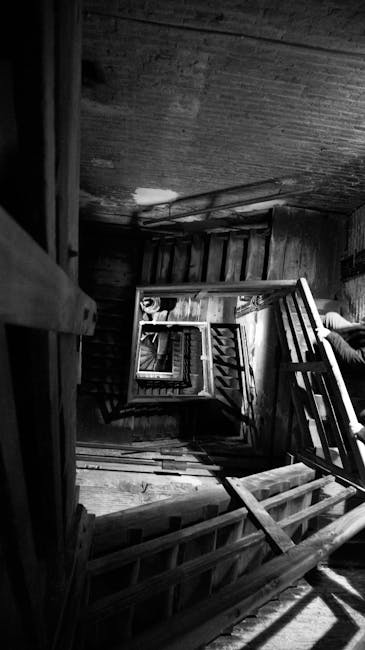
Moving bulky furniture up or down a tight Victorian stairwell is one of those jobs that looks simple until you're actually standing in the hallway, trying to angle a wardrobe past a banister that seems to have been designed for slimmer times. In Spitalfields, that scene is common. Narrow hallways, sharp turns, awkward landings, and old staircases can turn a routine move into a careful little puzzle. This guide breaks down how Narrow Victorian house? Safe stair moves in Spitalfields should be planned, handled, and completed with less stress and far fewer bumps, scrapes, and near-misses.
Whether you're moving a sofa into a top-floor flat, shifting a bed frame downstairs, or trying to protect freshly painted walls on move day, the same principle applies: slow planning beats rushed lifting every time. Let's get into the practical stuff.
Why Narrow Victorian house? Safe stair moves in Spitalfields Matters
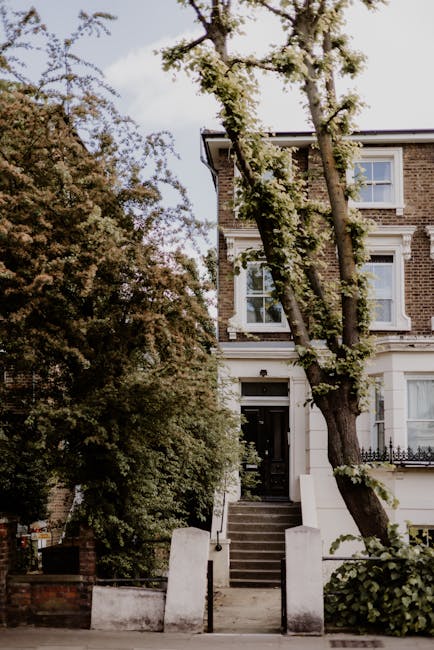
Victorian homes in Spitalfields often have character in abundance and elbow room in very short supply. That charm comes with a practical drawback: staircases are frequently steep, curved, and narrow, with limited head clearance and tight turns at the top or bottom. If you're moving furniture through these spaces, the risk is not just a nick in the paintwork. It can be damage to the item, the staircase, or worse, a painful lifting injury.
Safe stair moves matter because older properties rarely forgive guesswork. One wrong angle and a sofa arm can catch on a wall; one poorly timed step and a carrier can twist under load. In a busy part of East London, there's also the added pressure of timing, street access, and neighbours who would quite like the stairwell kept quiet before the morning coffee kicks in. To be fair, that's just life in the area.
There's also the emotional side. A move is already a lot. If you're worried about dropping a chest of drawers halfway down the stairs, your day becomes tense before the van has even parked. Careful stair planning gives you control back. That is the real win.
For many households, especially those working through a full move, it helps to pair stair planning with broader prep. A clear-out using expert decluttering guidance before moving house and sensible preparation from the packing guide for moving house can reduce the number of items that need to squeeze through the staircase in the first place.
How Narrow Victorian house? Safe stair moves in Spitalfields Works
Safe stair moving is less about brute strength and more about sequence, balance, and controlled movement. You begin by measuring, then by deciding what can realistically travel through the stairwell, and only then do you move it. Sounds obvious, but in the middle of a move, people skip the obvious part. Happens all the time.
The process usually starts with a quick survey of the stairs and landings. You check width, ceiling height, handrail position, wall projections, door swing, and whether the item can be turned vertically or must remain flat. A mattress, for example, may bend enough to pivot; a bookcase might need shelves removed first; a wardrobe may need to be dismantled. A piano is a different beast entirely, which is why many people choose specialist help from piano removals in Spitalfields or read up on why professional piano moving is usually the safer bet.
Then comes protection. Stair edges, banisters, and door frames should be covered where needed. Items are wrapped so corners don't snag. If the furniture is especially awkward, movers may use shoulder straps, slide sheets, a furniture dolly, or a team lift. The chosen method depends on weight, shape, and the staircase itself.
In practice, the safest stair move is usually the one that slows everything down a little. Two people talking clearly. One person leading, one following. No sudden twists. No last-second "it'll fit if we just tilt it a bit more" improvisation. That sort of improvisation has a way of becoming expensive.
If you are moving from a flat rather than a whole house, the same logic applies, and it is often worth checking flat removals in Spitalfields alongside the broader furniture removals service so you can match the method to the building.
Key Benefits and Practical Advantages
When stair moves are done properly in a narrow Victorian property, the benefits show up in very tangible ways. Less damage. Less stress. Less time wasted fighting a sofa that should have been measured before anyone lifted it. Simple, really.
- Lower risk of injury: careful positioning reduces strain on backs, shoulders, knees, and wrists.
- Less wall and banister damage: protective wrapping and controlled turns keep scrapes to a minimum.
- Better item protection: corners, upholstery, and fragile finishes are less likely to be crushed or marked.
- Smoother move day: less stopping and restarting means less congestion in the stairwell.
- More confidence in awkward spaces: you can make decisions calmly rather than in a rush.
There's a smaller but real advantage too: better neighbour relations. A smooth stair move is quieter. Fewer thuds, fewer grunts, fewer muttered apologies in the hallway. If you live in a shared building, that matters. People remember the move that didn't shake the staircase.
And if you're still at the planning stage, combining safe stair prep with the right vehicle and loading plan helps everything flow better. That may mean using a man with a van in Spitalfields, a removal van service, or a wider removal services package depending on the size of the job.
Who This Is For and When It Makes Sense
This approach is for anyone moving through a tight staircase, but especially if you live in a classic Spitalfields property where the stairs are more decorative than forgiving. If your home has narrow landings, steep steps, or a bend halfway up, you're in the target group whether you like it or not.
It makes sense if you are:
- moving into or out of a Victorian terrace, maisonette, or converted flat;
- transporting large furniture such as sofas, wardrobes, beds, desks, or mirrors;
- handling a student move where speed matters but the staircase is still awkward;
- trying to move heavy items without damaging plaster, paint, or spindle rails;
- working around limited parking and tight loading windows in central London.
It is also relevant if you're deciding between doing the move yourself or bringing in help. Some items are fine for a competent DIY move. Others really are not. A heavy piano, a bulky corner sofa, or a double mattress through a narrow Victorian stairwell? Truth be told, that's where professional experience usually pays for itself.
For readers comparing options, it can help to look at broader service choices too: man and van in Spitalfields, house removals in Spitalfields, or office removals if the move involves desks, cabinets, or equipment rather than domestic furniture.
Step-by-Step Guidance
If you want safe stair moves in a narrow Victorian house, use a methodical process. Not glamorous, but it works.
- Measure the staircase and the furniture. Check width, height, and turning space. Measure the item at its widest point, not the "body" alone. Handles, legs, and protruding corners matter.
- Identify the route. Walk the full path from room to van. Watch for low ceilings, light fittings, radiators, door furniture, and tight bends. A staircase can look fine until you try to turn a wardrobe on the landing. Then you find out very quickly.
- Strip the item down where possible. Remove drawers, shelves, detachable legs, cushions, and loose fittings. If the item can be dismantled safely, do it. It often saves both time and damage.
- Protect the property. Cover bannisters, door frames, corners, and floors. Use blankets, edge protectors, or proper wrapping so contact points are buffered.
- Use the right lifting method. Keep loads close to the body where possible, lift with the legs, and avoid twisting. If the item needs a two-person carry, keep the communication simple: stop, pivot, lower, reset.
- Move slowly through turns. The landing is usually where things go a bit sideways. Lead the item around the corner in small steps rather than trying one dramatic swing.
- Pause before each major change of direction. A half-second pause can prevent a full-on mishap. Sounds tiny. It is not tiny when the item weighs 60 kilograms.
- Unload and re-check before the next piece. Do not let the stairwell become cluttered. Clear the route after each move so nobody trips or rushes.
If you're packing and preparing at the same time, the stair route gets much easier when boxes are labelled well and the heavy stuff is distributed properly. The bed and mattress transport guide is especially useful if you're trying to work out how soft furnishings should be handled in tight access.
Expert Tips for Better Results
After enough moves, a few patterns become obvious. The homes vary, but the wins are consistent.
First, clear the staircase early. Leave shoes, baskets, plant pots, and random hallway clutter out of the route. It seems small, but clutter makes a narrow stairway feel half as wide. That's just physics and irritation teaming up.
Second, think in angles, not straight lines. Furniture rarely moves through a Victorian stairwell as a neat rectangle. It has to be angled, tipped, or rotated. That means your team should plan each turn before they arrive at it.
Third, don't overload the person at the back. In a two-person carry, the rear person is often doing more control work than people realise. Switch roles if the item is especially awkward. Your arms will thank you later, probably with dignity intact.
Fourth, protect the landing first. The landing is where items pause and pivot, so it deserves the most attention. If you only wrap the easy bits, you're leaving the most vulnerable area exposed.
Fifth, keep a calm pace. A rushed stair move is usually the one that ends in a loud scrape and a brief silence nobody enjoys. A calm pace is faster than a damaged one.
There is also value in planning the wider move around your access conditions. If you're working with limited loading time, local parking constraints, or difficult street positioning, local pages like Fournier Street removals tips and the Brick Lane access guide can help you avoid the classic "the van is here, but the route isn't" headache.
Common Mistakes to Avoid
Most stair move problems are not dramatic accidents. They are small mistakes made in a hurry. Here are the big ones.
- Skipping the measurements. Guessing nearly always leads to trouble, especially with sofas, wardrobes, and beds.
- Forgetting to remove loose parts. Handles, legs, drawers, and shelves catch on everything.
- Trying to force the turn. If the turn is too tight, forcing it is how walls lose.
- Poor communication. "Ready?" "Yep." "Wait, no." That is not enough in a narrow stairwell.
- Not protecting the stairwell. A five-minute wrap can save a costly repair.
- Assuming one person can manage it alone. Some items can be handled solo, but many really cannot. Trying to prove a point is rarely worth it.
There's a related mistake people make with planning and support services too: choosing a service based only on availability rather than fit. Sometimes a move is small enough for a van and mover arrangement; sometimes it needs a more structured removal company in Spitalfields. Matching the service to the staircase matters more than people expect.
Tools, Resources and Recommendations
You do not need a giant toolkit, but the right few items make a remarkable difference. A lot of this is plain common sense, though a good strap set can feel like magic when you're wrestling with a stair bend at 8:15 in the morning.
| Tool or Resource | What it helps with | Best use case |
|---|---|---|
| Furniture blankets | Protecting surfaces, corners, and finishes | Sofas, tables, wardrobes, mirrors |
| Corner protectors | Reducing impact on stair edges and walls | Narrow stairwells with painted plaster |
| Removal straps | Improving lift control and load balance | Heavy items moved by two people |
| Slide sheets or sliders | Helping items move with less friction | Short manoeuvres and tight room exits |
| Strong tape and labels | Keeping parts together and routes clear | Dismantled furniture, boxed items, and fixings |
For a smoother overall move, the following resources are worth combining with stair planning: packing and boxes in Spitalfields for organised packing supplies, storage in Spitalfields if you need to stage items before or after the move, and advice for a calm, collected house relocation if you want the process to feel less chaotic overall.
If you're handling a student move, the calculus can be different again: lighter loads, but often faster turnaround and awkward stair access. That's where student removals in Spitalfields can be a better fit than a larger, slower setup.
Law, Compliance, Standards, or Best Practice
For stair moves, the main issue is not a single "moving law" so much as sensible duty of care, safe manual handling, and proper insurance awareness. In the UK, anyone lifting or carrying heavy items should take reasonable care to avoid injury and damage. That means risk assessing the job before you start, using enough people, and not making heroic decisions in a narrow stairwell.
Best practice usually includes:
- checking access before the move;
- using appropriate lifting techniques;
- avoiding solo lifts of unsuitable items;
- protecting the building fabric;
- making sure insurance is in place for the work being done.
If you are booking a professional team, it is sensible to ask about insurance and safety and to understand the provider's general approach via their health and safety policy. That's not overkill. It's just practical. You want to know who is responsible if a stair rail, wall, or item gets damaged.
It is also wise to review the broader terms of service, payment process, and sustainability approach if these matter to you. For example, some customers prefer to understand the provider's payment and security, terms and conditions, and recycling and sustainability position before confirming a move. A bit of reading now avoids confusion later.
Options, Methods, or Comparison Table
Not every stair move needs the same approach. Here's a simple comparison to help you judge the right method for a narrow Victorian house in Spitalfields.
| Method | Best for | Pros | Watch-outs |
|---|---|---|---|
| DIY carry with two people | Light to medium furniture, simple access | Low direct cost, flexible timing | Higher risk if the item is bulky or the stairwell is very tight |
| Team lift with protective wrapping | Heavier items, more awkward angles | Better control, reduced damage risk | Needs coordination and enough space to work safely |
| Dismantle and rebuild | Wardrobes, beds, some desks, modular furniture | Often the safest route through narrow stairs | Requires tools, time, and careful labelling of parts |
| Specialist move | Pianos, antiques, very heavy or valuable items | Best control and protection | Usually more expensive, but often justified |
For many Spitalfields properties, the winning move is a blend: dismantle what you can, protect what you must, and use a professional team for the items that would otherwise be a headache. If the move is urgent, a same-day removals option may also be worth considering, though it is always better when some planning has happened first.
Case Study or Real-World Example
A typical scenario: a couple moving out of a narrow Victorian terrace near the heart of Spitalfields. They had a three-seat sofa, a bed frame, two mattresses, and a heavy chest of drawers. The staircase curved sharply at the top, and the landing was barely wide enough for two people to pass without side-stepping like they were in a very polite dance.
Instead of trying to force the sofa through first, the team measured the staircase, removed the feet from the sofa, wrapped the corners, and moved the bed frame and mattress separately. The chest of drawers was emptied, drawers taped shut, then carried with one person guiding from below and one controlling the top end. Nothing dramatic happened. Which, in moving terms, is a lovely outcome.
The key difference was not strength. It was sequence. The movers cleared the route before lifting, protected the wall corners, and used short controlled pauses on the landing. The job took a bit longer than a rushed attempt would have, but there were no marks on the stairwell and no scratched furniture. That is the kind of result people hope for but rarely plan for.
If the move had included a fragile or high-value item, it would have made sense to separate it out and use a more specific service such as furniture removals in Spitalfields or, where needed, full removals support. The right match matters.
Practical Checklist
Use this before any stair move in a narrow Victorian house. Short list, big difference.
- Measure the staircase, landings, door frames, and item dimensions.
- Check whether the item can be dismantled safely.
- Remove loose parts, drawers, shelves, and detachable legs.
- Clear the stair route of shoes, bags, bins, and clutter.
- Protect walls, corners, bannisters, and floors.
- Assign one person to lead and one to follow the item.
- Agree simple communication words before lifting.
- Wear proper footwear with grip.
- Do not attempt a solo carry if the item is bulky or awkward.
- Keep the van loading area ready so items can move out without delay.
- Have blankets, tape, and straps ready before you start.
- Stop immediately if the angle becomes unsafe.
If you want extra help with the wider move, it can also be useful to read about single-handed heavy-item lifting so you can judge, honestly, what should be left to the pros. Some things are fine alone. Some are not. No shame in that.
Get a free quote today and see how much you can save.
Conclusion
Safe stair moves in a narrow Victorian house are really about respect: respect for the staircase, respect for the item, and respect for your own back and patience. In Spitalfields, where older properties often bring tight access and awkward angles, a calm, well-planned approach is the difference between a smooth move and a day you'd rather forget.
The good news is that most of the risk is manageable. Measure properly. Protect surfaces. Dismantle what you can. Use the right number of hands. And if the furniture is too heavy, too valuable, or simply too awkward, bring in the right support before it becomes a problem. That's not overcautious. That's just sensible.
In the end, a careful move is a kinder move. And honestly, your staircase will appreciate it too.