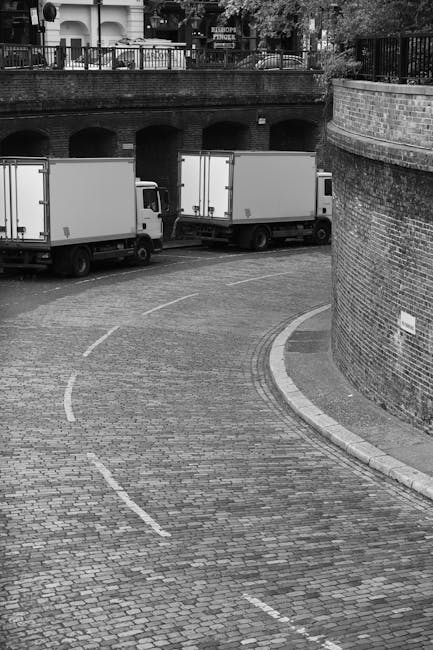
Tower Hamlets permit rules for moving trucks in E1
Posted on 26/06/2026

Tower Hamlets permit rules for moving trucks in E1: a practical moving guide
If you are planning a move in E1, the permit side of the job can feel oddly more stressful than the boxes. The van is booked, the lift slot is tight, the street is narrow, and suddenly you are wondering whether your moving truck can stop outside the property at all. That is exactly where Tower Hamlets permit rules for moving trucks in E1 become important. Get them right, and the day runs far more smoothly. Get them wrong, and you can lose time, block traffic, or end up parking a lot further away than you expected.
This guide breaks the topic down in plain English. You will find out why the rules matter, how permit planning usually works in practice, what moving teams commonly check before arrival, and how to avoid the most annoying mistakes. There is no mystery to it, really. Just a few sensible steps, a bit of forward planning, and a realistic understanding of how tight London streets behave on moving day.
Why Tower Hamlets permit rules for moving trucks in E1 Matters
E1 is busy, compact, and often unpredictable. Even when a street looks quiet at 7 a.m., it may become awkward by 9 a.m. with delivery vans, cyclists, school traffic, or residents trying to get past your vehicle. That is why permit rules are not just admin. They are part of the move itself.
For many homes in E1, the biggest issue is not the amount of furniture. It is access. A removal van may need to stop close enough for quick loading, but still comply with local parking or loading restrictions. If you assume you can simply pull up for an hour, you may be in for a rude awakening. Not dramatic, just inconvenient in the way only London can manage.
Permit planning matters even more in streets where parking is limited, bay space is controlled, or the building sits on a one-way route with very little margin for error. In practice, a moving truck that arrives without a proper plan can create a domino effect: delays, rushed lifting, longer carrying distance, extra costs, and a lot of unnecessary stress.
If you are preparing properly, it helps to think of access as part of your moving checklist alongside boxes and tape. That is the same mindset used in our step-by-step packing guide, because the best moves are the ones where the logistics have been thought through before the first box is lifted.
How Tower Hamlets permit rules for moving trucks in E1 Works
While the exact rules can vary depending on the street, the basic principle is simple: moving vehicles must not block traffic, create danger, or stop in a place where parking or loading is restricted without the right arrangement. In many parts of E1, that means you need to check whether your truck can use a loading bay, a suspended bay, a resident bay, or a short-stay stopping point.
The practical question is not always "Do I need a permit?" It is often "What kind of access arrangement is acceptable for this street, this time of day, and this vehicle size?" That is where a lot of people come unstuck. A small van and a larger removal truck are not treated the same in real-world parking terms, even if the move itself is basically the same.
In Tower Hamlets, moving-day permissions often sit alongside local parking controls, yellow lines, loading limits, resident bays, and any temporary traffic restrictions. So when you are booking a vehicle, you should also consider whether you need a parking suspension, a loading exemption, or some kind of advance agreement for the space outside the property. If there is confusion, that is normal. The important thing is not to guess.
On narrower streets, particularly around older terraces and period blocks, planning the approach matters as much as the permit itself. We have covered that kind of access pressure before in our Spitalfields moving guide on Brick Lane access and the best routes from Liverpool Street Station to E1 homes, because the route into the street can make or break the loading plan.
One more thing: permit rules and parking controls are not quite the same as having a safe place to unload. You may be allowed to stop briefly, but if the unloading distance becomes too far, the whole move gets harder. Nobody wants to carry a wardrobe 60 metres down a damp pavement in the rain. Nobody.
Key Benefits and Practical Advantages
Sorting the access side properly gives you a few very real advantages, and not just in theory.
- Less stress on moving day: everyone knows where the vehicle can stop and for how long.
- Faster loading and unloading: shorter walking distances save time and energy.
- Lower risk of disruption: fewer chances of blocking traffic or creating complaints from neighbours.
- Better protection for belongings: fewer trips usually means fewer knocks, scuffs, and dropped items.
- More accurate planning: you can match the truck size and arrival time to the street conditions.
There is also a financial angle, even if it is not the most glamorous one. A move that drags on because of parking confusion can cost more in labour time, and sometimes in extra vehicle waiting time too. That is one reason experienced movers care so much about the route and stop location. They have usually seen the chaos that follows when that part is left to chance.
In practical terms, this is especially helpful if you are booking a man and van in Spitalfields or arranging a larger removal van in Spitalfields. The bigger the vehicle and the denser the street, the more valuable a clean parking plan becomes.
Who This Is For and When It Makes Sense
These rules matter for more people than you might think. If your move involves any vehicle stopping in E1, this is relevant to you.
- Home movers: flats, maisonettes, terraced houses, and top-floor walk-ups where access is tight.
- Students: short-notice moves, term-time handovers, and smaller vans needing quick loading.
- Office movers: business relocations with furniture, files, IT equipment, and time-sensitive access.
- Furniture-only jobs: single-item moves, sofa collections, and bed deliveries.
- Same-day moves: where speed matters and there is less room to improvise.
It makes sense to think about permits early if you live in a controlled parking zone, if the street has limited stopping space, or if your building has awkward access. It also makes sense if your move is happening at a busy time of day. A quiet mid-morning slot on a wide road is one thing. A Friday afternoon slot on a narrow E1 street is another story entirely.
To be fair, not every move needs a complicated permit setup. Sometimes a smaller van, a sensible arrival time, and a short loading stop are enough. But the trick is knowing which situation you are actually in, rather than hoping for the best. Hope is not a parking strategy.
For renters clearing out a flat, the same logic applies to departure day. If you are stripping a place back to empty, it may be worth combining access planning with decluttering and waste removal. The practical angle is explained well in our decluttering tips before moving house and the guide on bulky waste removal in E1 without hidden fees.
Step-by-Step Guidance
Here is a sensible way to approach Tower Hamlets permit rules for moving trucks in E1 without turning it into a second full-time job.
- Check your exact street and access conditions. Look at whether it is resident permit parking, loading only, single yellow, double yellow, or a bay that may need suspension.
- Identify the vehicle type. A small van, luton-style van, and larger removal truck may face different restrictions or practical limitations.
- Work out the loading window. Decide when the truck really needs to stop and how long the load/unload is likely to take.
- Plan for building access. Staircases, lifts, door widths, and shared hallways all affect how long the vehicle needs to remain nearby.
- Allow a buffer. In E1, five minutes can disappear quickly. Build in a little slack for traffic, queues, or a neighbour's parked car blocking part of the route.
- Confirm the arrangement before moving day. Do not leave parking assumptions hanging until the morning of the move.
- Brief the moving team. Tell them about access restrictions, narrow corners, or a long carry from the vehicle to the front door.
A useful habit is to do a visual recce the day before. Stand outside the property for a minute and imagine the truck arriving. Where would it stop? How wide is the road at the pinch point? Is there space for hazard lights without causing an issue? That little walk around can save a lot of pain later.
If the move is larger or involves awkward items, pairing permit planning with specialist handling is usually the smarter option. For instance, a piano move may need both access planning and the right lifting approach, which is why readers often also look at why piano moves are best left to professionals.
Expert Tips for Better Results
Here are the practical bits that tend to make the biggest difference on real moving jobs.
- Book the street plan before the packing frenzy starts. It is easier to think clearly when you are not surrounded by half-open boxes.
- Use the smallest practical vehicle. Bigger is not always better in E1. Sometimes a well-packed van beats a truck that cannot safely stop nearby.
- Split the move if needed. If the access is awkward, two smaller trips may be more realistic than forcing everything into one oversized vehicle.
- Label items by loading priority. The first things out should be the things you need most immediately at the new place.
- Keep walkways clear. A cluttered hallway slows everyone down and increases the chance of damage.
- Protect the team and the furniture. Gloves, blankets, straps, and dollies are not optional extras on difficult streets. They are part of the job.
One slightly underrated tip: think about weather. A dry morning is a gift. A wet kerb in E1 can become slippery, and that changes how long the load takes. Not by much, maybe, but enough to matter when the vehicle stop is time-limited.
If you are moving beds, mattresses, sofas, or other bulky pieces, access planning should go hand in hand with handling prep. The guides on moving beds and mattresses and protecting sofas during storage are useful complements because the vehicle is only one part of the puzzle.

Common Mistakes to Avoid
Most moving headaches around permits come from a few very ordinary mistakes. The good news? They are avoidable.
- Leaving parking until the last minute. This is the big one. By the time the van is outside, it may already be too late.
- Assuming a short stop is always fine. A quick stop can still be a problem if the street controls are strict or the vehicle blocks traffic flow.
- Ignoring the route to the front door. If the truck is close but the entrance is awkward, you still lose time.
- Forgetting about building restrictions. Some blocks have rules about access times, lift use, or communal areas.
- Booking a vehicle that is too large. That can backfire in narrow E1 streets where manoeuvring room is limited.
- Not telling the mover about local quirks. The team cannot plan for a dead end, a low bridge, or a tricky corner if nobody mentions it.
There is a classic London moving mistake that happens all the time: someone focuses on the destination and forgets the actual parking reality outside it. The truck arrives, everyone smiles for a second, and then the street says, "Not today."
Another common one is packing too slowly and creating a vehicle wait. If your boxes are still being taped when the van arrives, the schedule slips. A bit of structure, and some disciplined packing from the start, helps a lot.
Tools, Resources and Recommendations
You do not need a mountain of equipment, but the right tools make the permit and loading plan much easier to manage.
- Measuring tape: useful for checking door widths, lift sizes, and large item dimensions.
- Phone notes or a move sheet: keep access instructions, time windows, and contact numbers in one place.
- Label maker or marker pens: speeds up unloading and reduces confusion at the new place.
- Protective blankets and straps: helpful for tight loading areas and fragile furniture.
- Floor plans or rough sketches: useful when the building layout is awkward or shared with other residents.
For many E1 moves, the best resource is not just a permit note; it is a complete moving plan. That means good packing, sensible decluttering, and a realistic loading order. The following internal guides can help shape the rest of the move:
- packing supplies and boxes for Spitalfields moves
- our services overview
- man with a van in Spitalfields
- house removals in Spitalfields
- student removals in Spitalfields
If you are moving specialist items or need a hand with a full property, it also helps to read about our insurance and safety approach and health and safety policy. They are useful for understanding the standards behind a careful, well-run move.
Law, Compliance, Standards, or Best Practice
It is always wise to separate general best practice from specific legal or council rules. In London, parking and loading controls can be highly localised, and the exact arrangement depends on the street, time, vehicle type, and any temporary restrictions in place. So while the broad idea is straightforward, the practical application should be checked for the exact location you are using.
As a rule of thumb, moving trucks should not be left in positions that obstruct traffic, endanger pedestrians, block access, or ignore marked restrictions. That is basic road and parking sense, and it applies even when a move is urgent. If a permit, suspension, or loading arrangement is required, it is better to sort it out in advance rather than assume leniency on the day.
Good compliance is also about care. Using the right vehicle size, keeping the load secure, and avoiding damage to pavements, communal areas, or parked cars are all part of responsible moving practice. In a dense area like E1, those small courtesies matter. Neighbours notice, and to be fair, they remember.
For larger projects, there is a quiet professional standard worth aiming for: communicate the access plan early, confirm vehicle arrival, protect the property, and keep the move as efficient as the street allows. That is the difference between a move that feels controlled and one that feels improvised.
Options, Methods, or Comparison Table
If you are deciding how to handle access in E1, it helps to compare the most common approaches side by side.
| Approach | Best for | Pros | Watch-outs |
|---|---|---|---|
| Small van with short stop | Light moves, student flats, single-room jobs | More manoeuvrable, easier on narrow streets | May require more trips if the load is larger than expected |
| Removal van with planned loading bay | Standard house or flat moves | Balanced capacity and efficiency | Needs solid timing and permission planning |
| Larger removal truck with reserved access | Big homes, offices, heavy furniture | Can move more in one go | Harder to park and manoeuvre in tight E1 streets |
| Two smaller vehicles | Awkward streets or split loads | Flexible, sometimes easier than one large truck | Requires careful coordination and timing |
In many cases, the best option is not the biggest one. It is the one that fits the street, the furniture, and the timing. A careful move beats a heroic one, every time. Well, most times anyway.
Case Study or Real-World Example
Here is a realistic example from an E1-style move, the kind that comes up all the time.
A couple moving from a second-floor flat near a busy high street had booked a mid-size removal van. On paper, the job looked straightforward. The furniture was fairly standard: bed frame, mattress, two wardrobes, a sofa, and a stack of boxes. The problem was the street outside the building. Parking was tight, loading space was limited, and delivery vehicles were already moving through the area early in the morning.
Instead of assuming the van could simply pull up at the door, the moving plan was adjusted. The team arrived at a quieter time, the load was prioritised so the heaviest pieces came out first, and the walk from vehicle to front entrance was mapped before anything was lifted. That changed the whole feel of the move. Less waiting. Less shuffling. Fewer awkward pauses in the hallway.
The result was not magical, just organised. And that is usually how the best E1 moves work. The permit or stopping arrangement is one part, the route is another, and the packing order is the bit most people underestimate. Once those three things line up, the day feels much calmer.
That sort of calm is especially valuable if the move also involves storage, damage-sensitive furniture, or a fast turnaround between properties. If that sounds familiar, our pages on storage in Spitalfields and flat removals in Spitalfields are relevant next steps.
Practical Checklist
Use this checklist before the truck arrives. It is simple, but it saves a lot of noise and running around.
- Confirm the exact moving date and arrival time.
- Check the street's parking or loading restrictions.
- Decide whether the vehicle size matches the access.
- Identify where the truck can stop safely.
- Measure large furniture and awkward items.
- Label boxes by room and priority.
- Keep hallways, stairs, and exits clear.
- Protect floors and furniture where needed.
- Tell the movers about any key access issues.
- Keep keys, documents, and contact details easy to reach.
- Have a backup plan if the stop is blocked.
- Build in a little time buffer. Always a good idea.
If you are still in the packing stage, a quick read of our move-out cleaning guide can also help you coordinate the final emptying of the property with the moving truck schedule.
Get a free quote today and see how much you can save.
Conclusion
Tower Hamlets permit rules for moving trucks in E1 are not there to make your life harder. They are there because the streets are busy, the space is limited, and a little planning goes a long way. Once you treat parking and loading as part of the move rather than an afterthought, everything becomes more manageable.
The big takeaway is straightforward: check the street, match the vehicle to the access, allow time for loading, and do not guess when the day depends on it. That approach will help whether you are moving a single flat, an entire house, or a few bulky items that somehow always seem heavier on the stairs than they looked in the room.
And honestly, once the truck is parked in the right place and the first box is safely on board, the rest of the day tends to feel much lighter. Funny how that works.